
TMJ Treatment – Fort Worth, TX
Let Us Help Alleviate Your Jaw Pain
The temporomandibular joint (TMJ for short) is responsible for allowing you to move your jaw so that you can speak and chew. However, if there’s a problem with the TMJ, it could lead to serious jaw pain and other uncomfortable symptoms. Fortunately, the emergency dentist at Karen Neil Fort Worth Dentistry is here to help you achieve the lasting relief you deserve. Reach out to our office today if you think you might need TMJ treatment in Fort Worth.

Why Choose Karen Neil Fort Worth Dentistry for TMJ Treatment?
- Fully Personalized, Comfortable Occlusal Splints
- Caring Dentist with Decades of Experience
- Friendly Dental Team That Cares About Your Comfort
What is TMJ Disorder?

TMJ disorder occurs when the jaw joints are injured or overworked. The condition can have a number of causes, such as constant grinding and clenching of the teeth, a sudden blow to the jaw, or a misaligned bite. Regardless of the source of the problem, an unaddressed TMJ disorder can result in serious discomfort, and it could get worse if you don’t have it treated by a professional.
Symptoms of TMJ Disorder
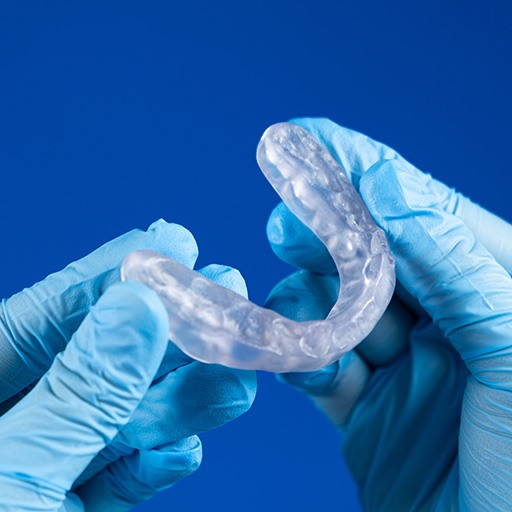
Chronic or recurring pain in the jaw is one of the most common symptoms of TMJ disorder. However, there are other warning signs that are worth keeping an eye out for, such as:
- Limited jaw movement.
- Pain in your neck or back.
- A clicking or popping sound that occurs when you move your jaw.
As soon as you notice any potential symptoms of TMJ disorder, your first step should be to give our office a call. The sooner you see us for an appointment, the sooner we can diagnose and treat the problem.
Types of TMJ Treatment
There’s more than one way to address TMJ disorder. Before we can make any recommendations, we’ll need to perform a thorough examination of your mouth and jaw (which will likely include X-rays or other types of scans). Once we have a full understanding of your situation, we may suggest one of the following treatment options.
Occlusal Splint
An occlusal splint is a type of oral appliance that, when worn, can move your lower jaw slightly forward to help it find a more comfortable position. It also acts as a barrier between your upper and lower arches of teeth so that they don’t grind directly against each other. This can ultimately reduce the pressure on your TMJs so that they can rest and recover.
Equilibration/Occlusal Adjustment
Sometimes an uneven bite can put excessive strain on your TMJs. To resolve this issue, we can perform a procedure known as equilibration. By removing small amounts of enamel from certain teeth, we can help the upper and lower arches come together properly, resulting in a more balanced bite that won’t expose your jaw joints to more pressure than necessary.
TMJ Treatment FAQs
Can TMJ Be Cured Permanently?
While discomfort associated with TMJ disorder can sometimes subside on its own over time, if your symptoms are starting to have a negative impact on your daily life, you’ll want to visit a professional for treatment.
Occlusal splints and occlusal adjustments / equilibration are designed to be permanent solutions to the jaw tension, misalignment, or other underlying causes of TMD, and can bring lasting relief.
Will TMJ Disorder Ever Go Away on Its Own?
Symptoms of TMJ disorder may disappear without professional treatment; however, they are likely to recur.
Home remedies can also provide symptom relief, but they don’t address the underlying causes of TMD, so flare-ups may still occur.
Your dentist in Fort Worth can perform a thorough examination and strive to identify the root cause of your TMD. Based on their evaluation, they can provide you with treatment recommendations such as occlusal splints and occlusal adjustments / equilibration designed to provide long term relief.
Is TMJ Disorder Treatment Safe?
As long as your TMJ disorder treatments are performed by a qualified dentist, then yes, they should be completely safe. It’s often recommended to treat TMJ disorder with as minimally invasive and conservative methods as possible, according to the National Institutes of Health (NIH). This is why your dentist will typically suggest several possible treatment options before recommending surgery.
Occlusal splints, equilibration / occlusal adjustments have all been proven to be overwhelmingly safe for addressing TMD.
Can TMJ Be Treated Without Surgery?
Yes! In fact, the National Institutes of Health recommend using the most conservative methods possible when treating TMJ disorders.
Surgery involves making permanent changes to the jaw and nearby anatomy and is typically only recommended as last resort. In most cases, TMJ disorders can be treated with less invasive methods.
At-home methods including stress relief and solutions from your dentist in Fort Worth including occlusal splints, equilibration / occlusal adjustments are all safe, effective methods for treatment without surgery.